The Fatal Geometry of Survival PART 5: Seeking Sanctuary in a Laboratory World
Posted on October 6, 2026
The Fatal Geometry of Survival PART 5: Seeking Sanctuary in a Laboratory World
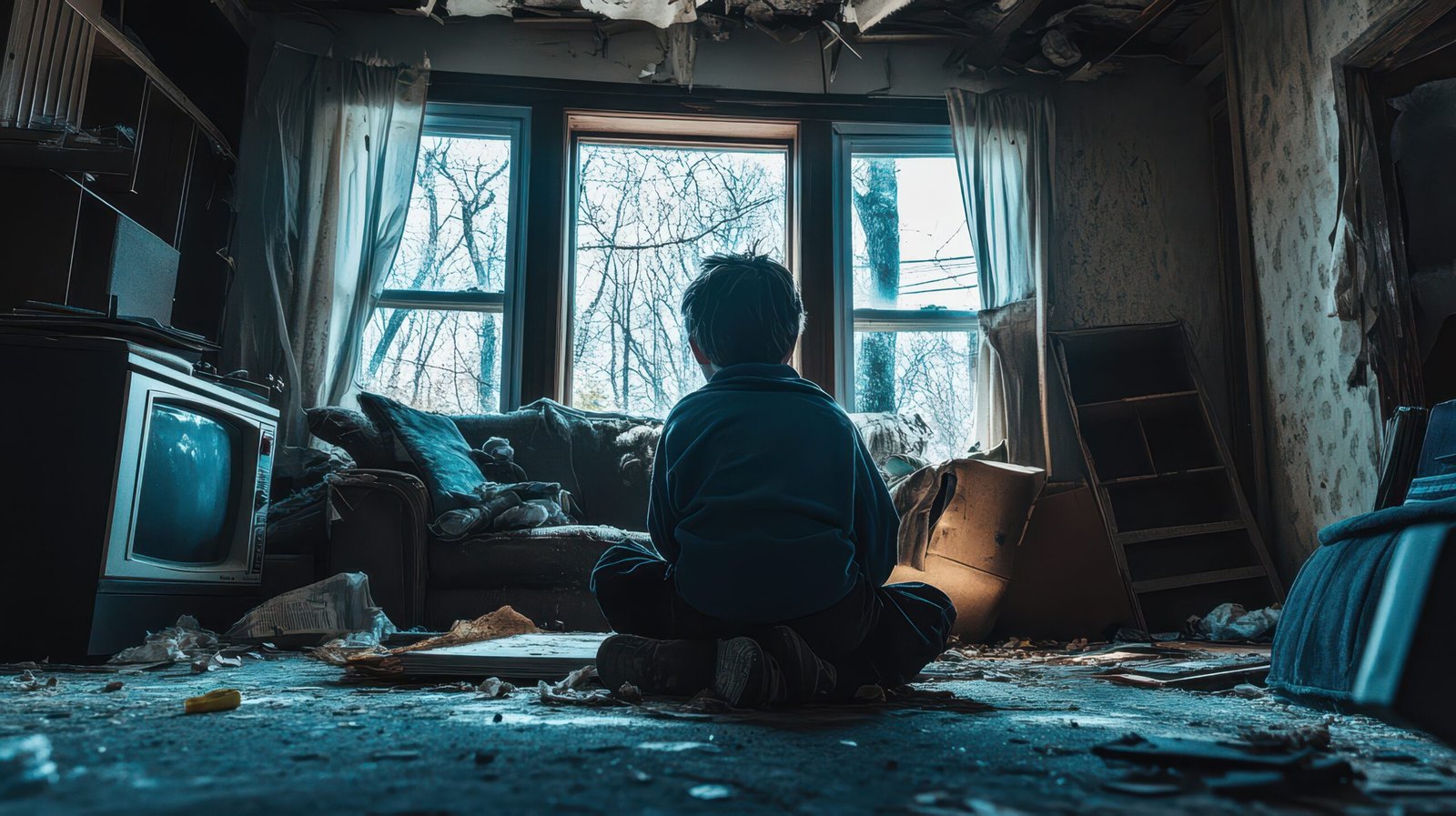
The Fortress of Isolation – Choosing the Wild Over the Lab
The ultimate consequence of being systematically dismantled by external architects is a profound, protective trauma response: absolute isolation. When every intimate connection has resulted in your soul being engineered, safety is no longer found in the arms of others. It is found in total withdrawal.
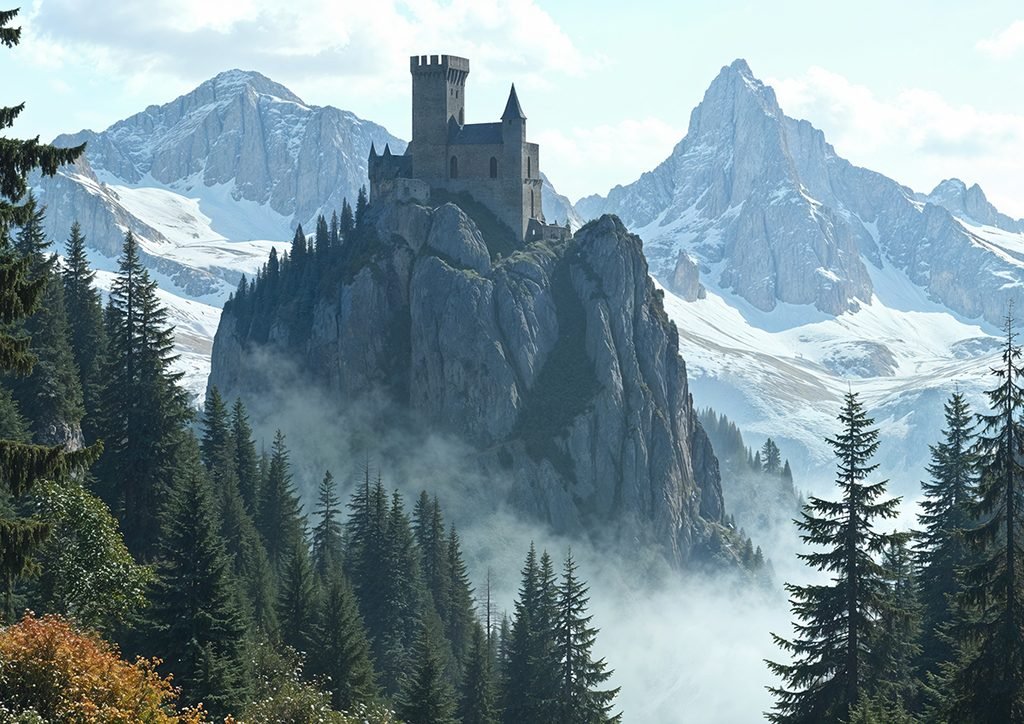
In this phase of the metaphor, the narrator retreats into frozen, barren landscapes—much like Mary Shelley’s creature fleeing to the Arctic—choosing the harshness of loneliness over the agonizing violation of being altered.
I. The Rejection of the Laboratory
Once the narrator recognizes the pattern of control, a fierce boundary emerges from the wreckage. They look at the bosses, the peers, and the parental figures standing by with blueprints, and they refuse to step back onto the operating table. Isolation becomes an act of defiance.
By removing themselves from the social hierarchy and the family dynamic, they are making a radical declaration: If loving you requires me to change my shape, I choose to be untouchable. They would rather exist as a fragmented, unpolished creature in the dark than a beautiful, synthetic masterpiece under the creator’s spotlight.
II. The Fear of the Invisible Stitch
“Something I don’t recognize”
Living in the aftermath of severe social or parental conditioning breeds a hyper-vigilant paranoia. In isolation, the narrator protects what little authentic identity they have left. Every new relationship, friendly gesture, or corporate opportunity is viewed with deep suspicion. They constantly look for the hidden agenda, the invisible stitch, the subtle comment meant to mold them into something else.
The fear of being “fixed” or “improved” by another person becomes so paralyzing that total solitude becomes the only reliable sanctuary. They lock themselves away not because they hate humanity, but because they terrifically fear losing their grip on themselves once again.
III. The Sovereign Monster
There is a dark, tragic liberation in this self-imposed exile. In the cold, away from the expectations of the creators, the narrator ceases to be a failed experiment. They are no longer a “disappointment” to a parent or “unfit” for a corporation. They are simply themselves.
The stitches may still ache, and the “broken parts” remain mismatched, but for the first time, those parts belong entirely to them. The fortress of isolation is lonely, but it is sovereign. It is the only place where the narrator can look at their reflection—unaltered, uncurated, and raw—and begin to exist without asking for permission from an architect.
The Inverted Cage – The Irony of the Wild and the Lab
The final, devastating twist in the narrator’s flight from conditioning is a profound inversion of space. In Mary Shelley’s original tale, the creature flees the claustrophobic laboratory for the vast, untamed wilderness. But for the modern, engineered individual, the geography of freedom is entirely flipped.
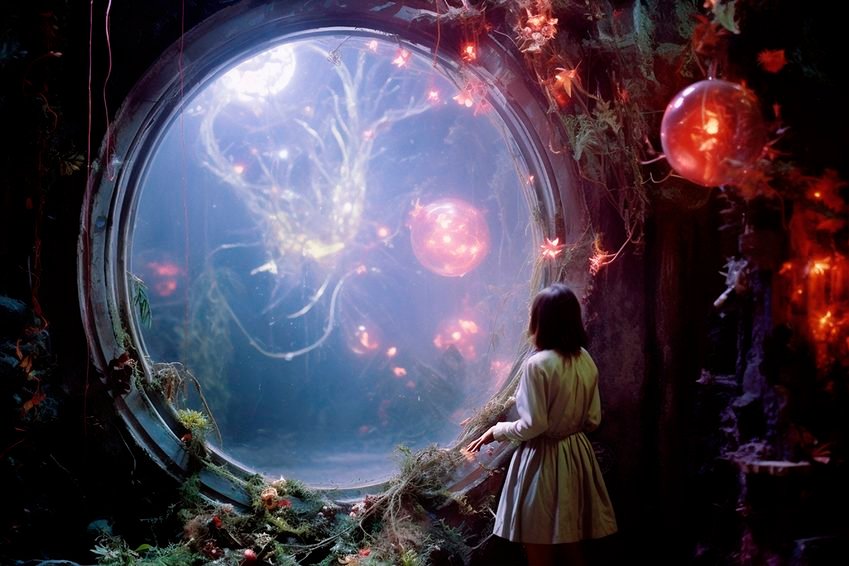
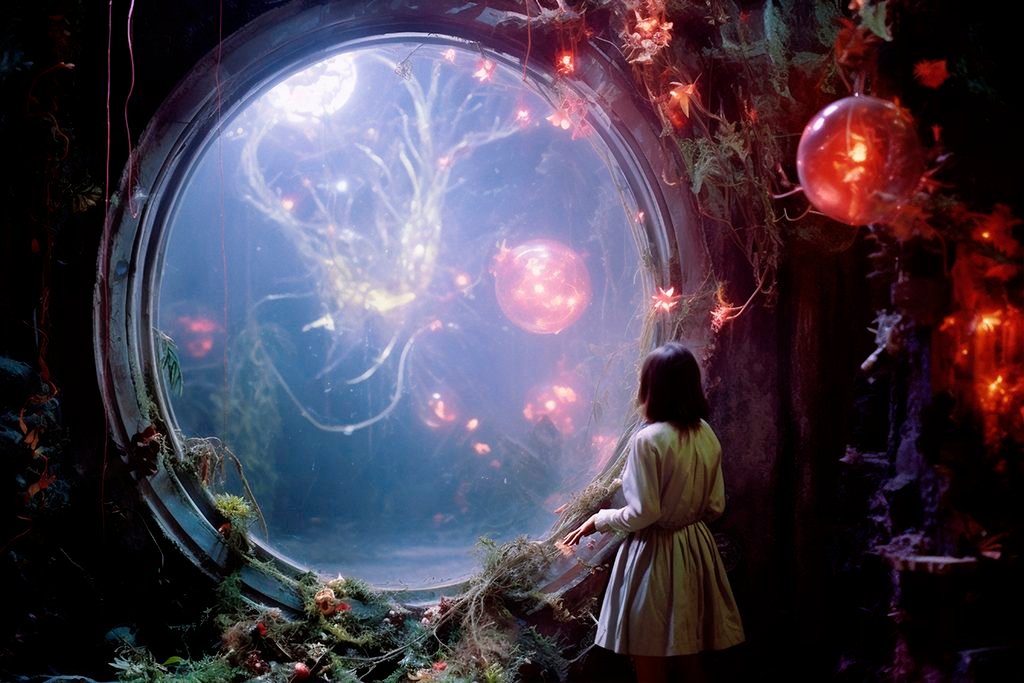
The true irony of the narrator’s exile is that the “wild” they escape to is not an open landscape, but a tightly enclosed, isolated sanctuary. Meanwhile, the terrifying, clinical “laboratory” is the outside world itself.
I. The Lab is the Open World
We traditionally think of a laboratory as a locked room, but under the weight of universal conditioning, the laboratory has no walls. It is the bustling modern world. It is the corporate office, the family dinner table, the social media feed, and the public square.
This vast, open outside world is where the scalpels of conformity are wielded openly. It is a space of relentless surveillance, where every passerby, employer, and parent acts as an assistant scientist, ready to critique the creation, tighten a loose bolt, or demand a total structural rewrite. The open world is not free; it is an industrial assembly line disguised as a society.
II. The Wild is a Locked Room
To escape this omnipresent laboratory, the narrator is forced to redefine the “wild.” True wilderness—a place where one can exist raw, chaotic, and unaltered—cannot survive in the open. It must be hoarded. Therefore, the narrator’s wild becomes an enclosed space: a locked bedroom, a silent apartment, a solitary mind.
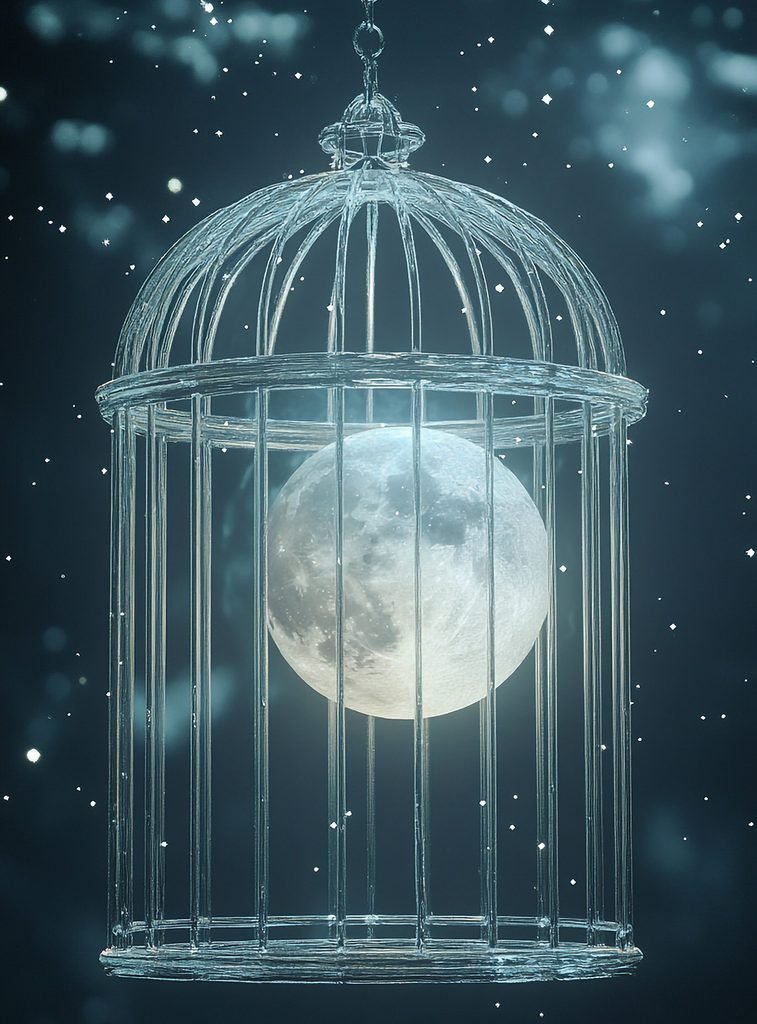
They pull the blinds and lock the doors, building a fortress out of four walls. Within this tiny, restricted perimeter, they cultivate a wild ecosystem of the self. Here, they can let their hair grow, let their thoughts fragment, and let their emotions run uncurated. The only way to live in the untamed wild is to trap it inside a cage where the creators cannot reach it.
III. The Tragedy of Safety
This inversion reveals the ultimate gothic tragedy of the song’s narrative. To keep their soul from being engineered, the narrator must willingly shrink their universe. They trade the infinite horizon of the outside world for the stagnant safety of a cell.
It is a claustrophobic victory. The narrator remains unaltered, but they are trapped by the very architecture required to protect them. They live as a sovereign monster, reigning over a kingdom of absolute solitude, perpetually looking out the window at a massive, open-air laboratory that is constantly waiting for them to step back outside and be broken all over again.
Conclusion: The Horizon Within
Taemin’s “Frankenstein” ultimately stands as a haunting monument to the cost of autonomy in a world obsessed with assembly. Whether the architect pulling the levers is a rigid societal apparatus, a toxic social circle, or the original creators who brought us into existence, the pressure to conform is an environmental hazard.
Retreating into the inverted cage of isolation is a brutal, necessary act of survival. It is the tactical retreat of a creation that refuses to be a product. While the outside world remains a sprawling laboratory waiting with open scalpels, the enclosed wild becomes a sacred testing ground. It is within those narrow, protected walls that the stitches can finally heal, the broken parts can settle, and the narrator can learn the most dangerous skill of all: how to belong entirely to themselves.
Afterword: The Laboratory of the Mind
This analysis does not intend to project personal narratives onto Taemin, nor does it claim to decipher his specific artistic intentions behind “Frankenstein.” Rather, it uses the rich, gothic imagery of his work as a conceptual springboard to examine a profound reality in developmental psychology: the architecture of human conditioning does not end in childhood.
While traditional developmental psychology focuses heavily on how parents and early environments shape our foundation, the process of being “molded” continues dynamically throughout our adult lives. Every high-stakes corporate environment, rigid social hierarchy, and intense relationship acts as a secondary laboratory, constantly attempting to rewrite our programming and alter our souls.
By framing these psychological pressures through the lens of the Frankenstein metaphor and the fateful geometry of the Nautilus, this piece serves as food for thought for anyone navigating the lifelong tension between conformity and autonomy. It is a reminder that while the world will never stop trying to engineer who we are, the ultimate authority to draw the blueprints of our lives belongs entirely to us.


2 thoughts on “The Fatal Geometry of Survival PART 5: Seeking Sanctuary in a Laboratory World”