When Rage Finds an Object: How Children Learn to Weaponize Distress
Posted on September 28, 2026
Here is a draft for your article, written specifically for a clinical psychology platform to engage parents, educators, and mental health professionals alike.
When Rage Finds an Object: How Children Learn to Weaponize Distress
Emotional dysregulation does not occur in a vacuum. Long before an adolescent throws a punch or an adult turns destructive during conflict, the nervous system spends years cataloging how their primary caregivers respond to distress.
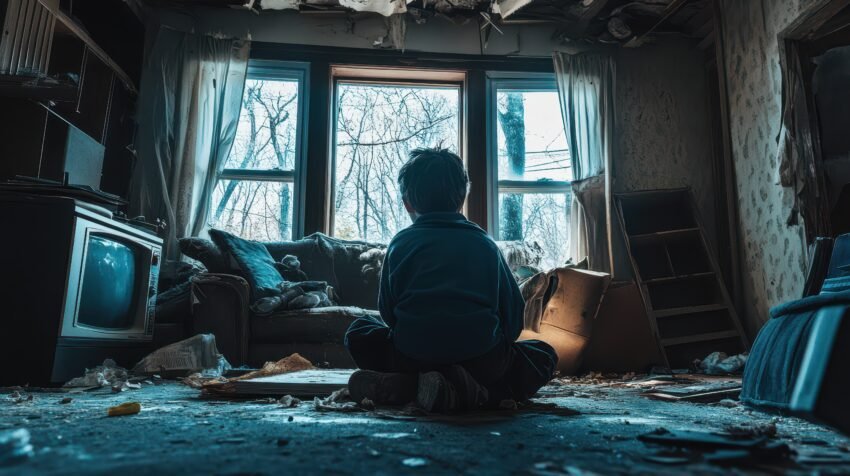
Consider a developmental scenario: An eleven-year-old child becomes flooded with rage. Having observed or absorbed the idea that aggression is the legitimate currency for venting tension, they strike the floor to disturb the neighbors below. Soon, physical stamping escalates. Bare fists and stomping feet give way to furniture—heavy, rigid household objects repurposed as instruments of impact.
The paternal response is equally deliberate in its passivity: the father turns a blind eye for an hour, waits out the noise, and then bundles the child into the car for an aimless ride, driven entirely by the impulse to avoid exposure or confrontation from the neighbor downstairs.
To an outside observer, this looks like bad behavior and an exhausted parent. Clinically, it is a masterclass in behavioral reinforcement, developmental scripting, and the dangerous externalization of affective distress.
What Did the Child Actually Learn?
Children do not simply listen to parental lectures; they extract operative rules from parental reactions. In this dynamic, several distinct, destabilizing lessons take root:
Rage Needs an Object (Instrumental Aggression): When a child moves from using their own body (stomping) to manipulating their physical environment (furniture), they cross an alarming developmental threshold. The brain begins coding everyday objects not merely as tools or domestic furnishings, but as force multipliers for emotional discharge.
Collusion and Impression Management Over Accountability: By driving the child away solely to prevent the neighbor from confronting them, the parent models a cynical defense: The issue is not the harm you cause; the issue is getting caught. The car ride becomes a protective conspiracy where emotional accountability is traded for optics.
Dysregulation Yields Intermittent Reward: Ignored for an hour and then taken out for a car ride, the child experiences behavioral reinforcement. The car ride functions as functional negative reinforcement (escape from the tension-filled home) or even positive reinforcement (one-on-one parent time after an episode of severe destructive rage).
The World is a Hostile Echo Chamber: The neighbor below represents external reality, boundaries, and social consequence. By treating the neighbor as an adversary to evade rather than a community member entitled to peace, the parent validates an us-versus-them worldview.
The Developmental Trajectory: Where Does This Lead?
When Rage Finds an Object: How Children Learn to Weaponize Distress
Without clinical intervention or systemic course correction, this learned sequence shapes adolescent and adult functioning across three distinct domains:
[Distress / Frustration]
          ↓
[Escalation to Force Multipliers] (Weapons / Environmental Destruction)
          ↓
[Caregiver Avoidance & Collusion] (No Containment, No Repair)
          ↓
[Consolidated Externalizing Pathology]
1. Adolescence: School Defiance and Peer Exploitation
At age eleven, an individual is standing on the doorstep of puberty. As physical strength, testosterone, and social autonomy increase, the weaponization of objects transitions easily from domestic furniture to school desks, athletic gear, and social posturing. Because the child was denied real boundaries, they perceive genuine limits set by teachers or law enforcement as unfair attacks, responding with disproportionate indignation and evasive tactics learned at home.
2. Intimate Relationships: The Pattern of Coercive Control
In adult romantic dynamics, severe emotional distress will almost certainly bypass verbal processing and head straight toward intimidation. When partners attempt to enforce healthy interpersonal boundaries, the individual often defaults to the established playbook: aggressive displays, damage to property, followed by emotional stonewalling or frantic avoidance rather than genuine restitution.
3. Internal Psychology: Fragmented Containment and Chronic Anxiety
Beneath the outward display of aggression lies a child who has never experienced containment. When a parent looks away and flees, they communicate a terrifying subconscious message: Even your father is too weak or too frightened to handle your rage. A child left uncontained feels unsafe in their own body, leading to brittle ego-defenses, poor distress tolerance, and an escalating need to control their environment through force.
Breaking the Sequence: The Clinical Imperative
Reversing this trajectory requires peeling apart the defense from the unmet developmental need:
Firm Containment Without Aggression: A child cannot self-soothe if the adult environment panics or flees. Parents must act as the emotional brake system: physically disarming the situation, removing access to destructive items, and staying present without mirroring the child’s explosive energy.
Restitution Over Evasion: Repair must be visible. If the floor was pounded to harass the neighbor, the path forward cannot involve fleeing in a car. It must involve direct, developmental repair—apology, accountability, and facing the reality of community impact.
Translating Somatic Rage into Language: Aggression is frequently a somatic bypass for unprocessed vulnerability, shame, or powerlessness. Interventions must focus on interrupting the reflex to grab an object, creating a micro-pause between physiological arousal and motor output.
When a home teaches that violence solves distress and avoidance cures consequence, the world beyond that front door will eventually deliver those missing lessons—far more harshly and with far less mercy.